
Open-face helmets make the most sense when you want more air, easier city visibility, and less bulk than a full-face shell. They also ask you to be honest about tradeoffs, because the same open design that feels great in hot weather gives you more noise, more weather exposure, and less coverage than a full-face lid.
This guide is for riders who already know a 3/4 shell fits the way they ride. If you are still deciding, start with the main motorcycle helmet guide, then compare it with helmet type breakdowns. If you ride open-face because heat is the main problem, the hot-weather helmet picks and the motorcycle goggles roundup are also worth checking before you buy.
Jump Ahead To:
Quick Picks
- Best Overall: VCAN V88 3/4 Open Face Motorcycle Scooter Helmet ECE & DOT – Best all-around mix of sun visor convenience and everyday 3/4 comfort.
- Best Value: LS2 Helmets Open Face Spitfire Helmet – Stronger value for riders who want a known-name open-face lid without overspending.
- Premium Pick: GJH 3/4 Open Face Helmets Collection – Best retro-style option for riders who want the look as much as the ride feel.
- Best for Daily Riding: TRIANGLE 3/4 Helmet – Simple city-use choice with shield and goggle flexibility.
- Best Airflow: Daytona Helmets 3/4 Shell Open Face Helmet – Best fit for hot days and low-speed city riding.
- Best Backup Pick: Westt Open Face Helmet – Cheap spare or second-helmet option if you need a budget 3/4 shell.
Best Overall
Best Value
Premium Pick
Best for Daily Riding
Best Airflow
Best Backup Pick
Comparison Table
| Product | Best For | Key Strength | Main Tradeoff |
|---|---|---|---|
| VCAN V88 3/4 Open Face Motorcycle Scooter Helmet ECE & DOT | all-around open-face use | integrated sun visor and easy everyday layout | still noisy at speed, like most 3/4 helmets |
| LS2 Helmets Open Face Spitfire Helmet | lower-cost daily use | known-brand fit path with removable comfort padding | less weather protection than shield-heavier designs |
| GJH 3/4 Open Face Helmets Collection | style-first long-term use | retro shell look with airy 3/4 feel | styling matters more than highway refinement |
| TRIANGLE 3/4 Helmet | repeated city riding | goggle and visor flexibility for mixed local use | still needs a careful fit check before longer rides |
| Daytona Helmets 3/4 Shell Open Face Helmet | hot-weather riding | strong airflow bias for warm days | exposes you more to rain, cold air, and highway noise |
| Westt Open Face Helmet | low-cost backup use | cheap spare-shell option for local rides | generic fit and finish are less predictable |
Quick Decision Guide
If you want one open-face helmet that does the basics well, start with VCAN. If budget matters most but you still want a recognizable helmet brand, LS2 is the cleaner value play. If your open-face helmet is part riding gear and part style choice, GJH is the better fit.
For short city miles, errands, and scooter-speed use, TRIANGLE is an easy daily option. If heat is the reason you are leaving a full-face shell behind, Daytona makes more sense than the others. If this is a second helmet for guests, quick local rides, or a cheap backup, Westt is the one to look at. Riders who mostly want more summer airflow but still need stronger road manners should compare this page directly against the best motorcycle helmets for hot weather.
Best Open Face Motorcycle Helmets 2026
1 / 6
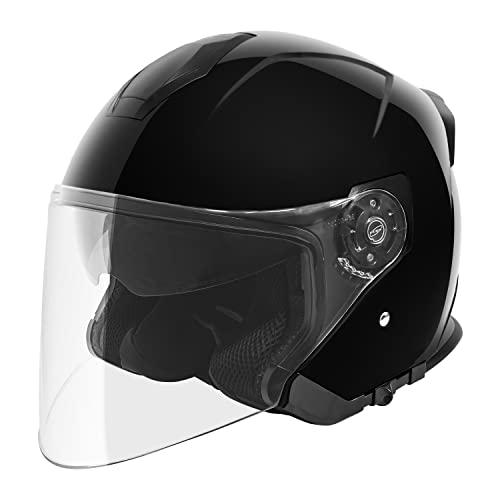
VCAN V88 3/4 Open Face Motorcycle Scooter Helmet ECE & DOT
Focus
Open-face 3/4 helmet with integrated sun visor
Comfort
Removable lining and micrometric retention system
Use Case
Daily city riding and general open-face use
Tradeoff
Open-face layout means more wind and noise at speed
The VCAN V88 is the easiest all-around pick in this file because it covers the reasons most riders buy a 3/4 helmet in the first place. It has the open feel riders want, an integrated sun visor for bright commuting days, and a day-to-day setup that does not feel stripped down.
That makes it a smarter default than a lot of open-face shells that are either too bare or too style-driven. It is still a 3/4 helmet, so you need to accept the usual tradeoffs: more wind on your face, more noise at speed, and less weather protection than a full-face shell.
Why It Wins:
- Built-in sun visor helps in real daylight commuting.
- Easy daily-use layout without feeling bare-bones.
- Good middle ground between scooter lid simplicity and motorcycle use.
What You Give Up:
- Wind noise and exposure climb fast as speed goes up.
- Not the right choice if freeway weather protection is your main goal.
Bottom Line: Best overall if you want one open-face helmet that still feels practical for regular local riding.
2 / 6
LS2 Helmets Open Face Spitfire Helmet

Focus
Open-face helmet with removable hypoallergenic comfort padding
Comfort
Quick-release chin strap and easy daily fit routine
Use Case
Budget-conscious riders wanting a known-name 3/4 shell
Tradeoff
Less weather coverage than shield-heavier or full-face options
The Spitfire is the value choice for riders who want a cleaner entry point than random no-name open-face helmets. LS2 gives you a more familiar fit path, removable interior pieces, and a helmet that looks like it was built for actual repeated use instead of one cheap photo shoot.
It is still best for riders who understand the role of an open-face helmet. Shorter urban miles, casual road use, and warm-weather riding fit it better than fast, cold, ugly-weather highway work. That is normal for the category, not a flaw specific to this helmet.
Why It Wins:
- Better value path than generic bargain 3/4 lids.
- Removable comfort padding helps with ownership and cleanup.
- Easier to recommend for riders who want a known-name option.
What You Give Up:
- Open design still leaves you exposed in cold or wet weather.
- Not as feature-rich as pricier open-face picks.
Bottom Line: Best value if you want a budget-friendly open-face helmet from a more established helmet brand.
3 / 6
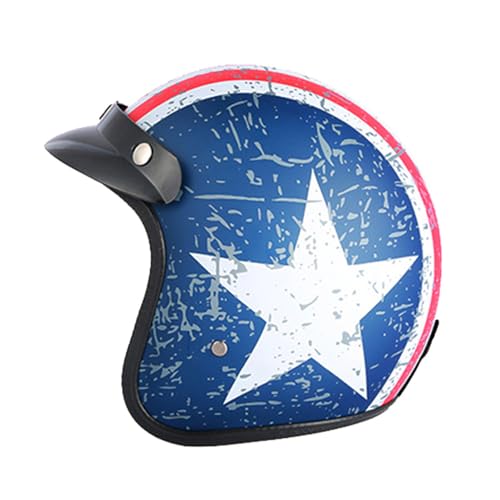
GJH 3/4 Open Face Helmets Collection
Focus
Retro-style 3/4 shell for riders who want classic open-face looks
Comfort
Airy shell feel with quick-release buckle
Use Case
Style-first city and casual road riding
Tradeoff
Style appeal matters more here than highway refinement
The GJH is the pick for riders who care about the look as much as the ride feel. It leans hard into the retro open-face lane, which works well if you ride slower roads, city streets, or classic bikes where a modern race-style shell just feels wrong.
That style bias is the reason to buy it and also the reason not to overread it. This is not the helmet to chase for quiet touring or ugly-weather coverage. It is the helmet to buy when you want classic 3/4 feel, more air, and a lid that matches a stripped-down riding style.
Why It Wins:
- Strong retro look for riders who actually care about helmet style.
- Open 3/4 shell keeps the ride feeling lighter and airier.
- Quick on-off routine suits casual repeated use.
What You Give Up:
- Less refined for long, fast, or weather-heavy riding.
- Style-first design does not solve the normal open-face noise problem.
Bottom Line: Premium pick for riders who want a retro open-face helmet with real visual appeal, not just utility.
4 / 6
TRIANGLE 3/4 Helmet
Focus
3/4 helmet with goggle and visor-friendly hardware
Comfort
Simple daily-use shell for local riding
Use Case
Urban riders who want an easy in-and-out open-face helmet
Tradeoff
Fit still matters because open-face comfort gets obvious fast
The TRIANGLE 3/4 works best as a simple city helmet for riders who want open-face ease and the option to swap between goggles and shield setups. That kind of flexibility matters more in local riding than on long highway days, especially if your routes change between warm daylight and cooler mornings.
It also makes sense for riders who want a helmet that feels easy to live with, not overbuilt. The shell is straightforward, which is the point. Just keep the fit check serious, because a bad 3/4 fit is obvious right away once wind starts moving the helmet around.
Why It Wins:
- Easy daily-use shape for local riding.
- Better fit for riders who like goggle or visor flexibility.
- Simple ownership story without a lot of extra hardware.
What You Give Up:
- Not built to solve long freeway comfort.
- Needs a careful fit check to avoid lift or movement.
Bottom Line: Best for daily riding if you want a straightforward 3/4 shell for city use and flexible eye-protection setups.
5 / 6
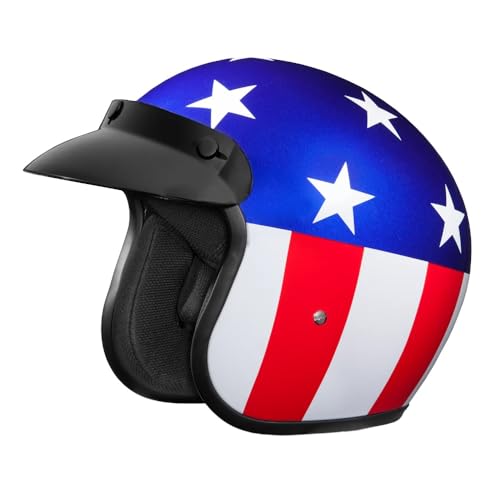
Daytona Helmets 3/4 Shell Open Face Helmet
Focus
Open-face shell aimed at hot-day comfort and airflow
Comfort
Vent-friendly design for warm local riding
Use Case
Riders who want the coolest-feeling option in this group
Tradeoff
More exposure to weather and wind than covered shell designs
The Daytona earns its spot because some riders buy open-face for one reason only: they are tired of cooking in heavier helmets. If that is you, this is the easiest pick in the file to understand. It prioritizes open-air comfort and warmer-day usability over anything close to full-face coverage.
That is why it fits best for city rides, beach-town runs, scooters, and slower local miles in hot weather. Once rain, cold, or freeway speed become regular parts of the ride, the same open design that feels great in heat starts asking for compromises.
Why It Wins:
- Best fit in this group for hot-day airflow.
- Simple open-face feel for warm local use.
- Makes sense when cooling and visibility matter more than enclosure.
What You Give Up:
- More exposure to rain, cold air, and debris.
- Open-face noise stays high once speed climbs.
Bottom Line: Best airflow pick for riders who want the coolest-feeling open-face option for hot-weather local riding.
6 / 6
Westt Open Face Helmet
Focus
Low-cost open-face helmet for spare or backup use
Comfort
Basic EPS-lined shell for casual local riding
Use Case
Guest helmet, second helmet, or low-cost local-use buy
Tradeoff
Generic fit and finish can vary more than stronger core picks
The Westt is the backup-helmet choice, not the one I would point most riders toward as their main lid. It makes the most sense if you need a cheap spare, a second helmet for short local use, or something to keep around for occasional guest rides.
That is a real job, and not every helmet has to be a flagship piece. Just keep expectations where they belong. At this end of the market, fit precision and overall refinement are usually less consistent, so this is a role player, not the open-face helmet you build your whole riding year around.
Why It Wins:
- Cheapest way into a usable backup 3/4 shell.
- Fine for short local miles and second-helmet duty.
- Better as a spare than as your only helmet.
What You Give Up:
- Fit and finish are less predictable than better picks above.
- Not the lid to choose for serious daily mileage if you have better options.
Bottom Line: Best backup pick if you need a cheap open-face spare and understand the compromises that come with it.
How to Choose an Open-Face Helmet
Start by being honest about speed and weather. Open-face helmets make the most sense for city riding, slower roads, scooters, cruisers, and hot weather. If most of your riding is highway work, the full-face helmet roundup or the quiet helmet guide will usually fit better.
Then decide how you want to manage wind and eye protection. Some riders want a built-in visor. Others prefer goggles, sunglasses, or a simpler shell. That is where the motorcycle goggles guide and the helmet sizing guide help, because open-face comfort falls apart fast when the fit is off.
Finally, think about ownership, not just first impression. Open-face helmets get dirty fast and often end up as second helmets, passenger lids, or summer-only picks. That is why when to replace a motorcycle helmet, how to clean a helmet, helmet bag options, and helmet lock options matter more than riders think at first.
Common Buying Mistakes
- Buying a 3/4 helmet for highway touring and then hating the noise.
- Choosing style first and forgetting fit.
- Ignoring goggles, sunglasses, or visor planning.
- Expecting an open-face lid to solve cold-weather commuting.
- Forgetting storage and lock planning for a helmet that gets used as a spare.
Frequently Asked Questions
Are open-face motorcycle helmets safe enough for regular riding?
They can be a valid choice for the right rider, but they leave more of your face exposed than a full-face helmet.
Are open-face helmets quieter than full-face helmets?
No. They are usually louder because more wind reaches your ears and face.
Are open-face helmets better in hot weather?
Often yes. Better airflow is one of the main reasons riders choose them.
Should I use goggles with an open-face helmet?
It depends on the shell and your riding style, but goggles make more sense when you want better wind and eye protection than a bare open face gives you.
Are open-face helmets good for freeway riding?
They can be used there, but most riders prefer fuller coverage and less wind exposure for regular freeway miles.
What matters most when buying a 3/4 helmet?
Fit, airflow, and a realistic understanding of noise and weather tradeoffs matter most.
If you are not fully sold on a 3/4 shell, go back to the main helmet guide. If your riding is hot and urban, compare the hot-weather helmet picks. If noise is already a problem, the quiet helmet guide is a better next stop. If you plan to run goggles, use the motorcycle goggles roundup.