
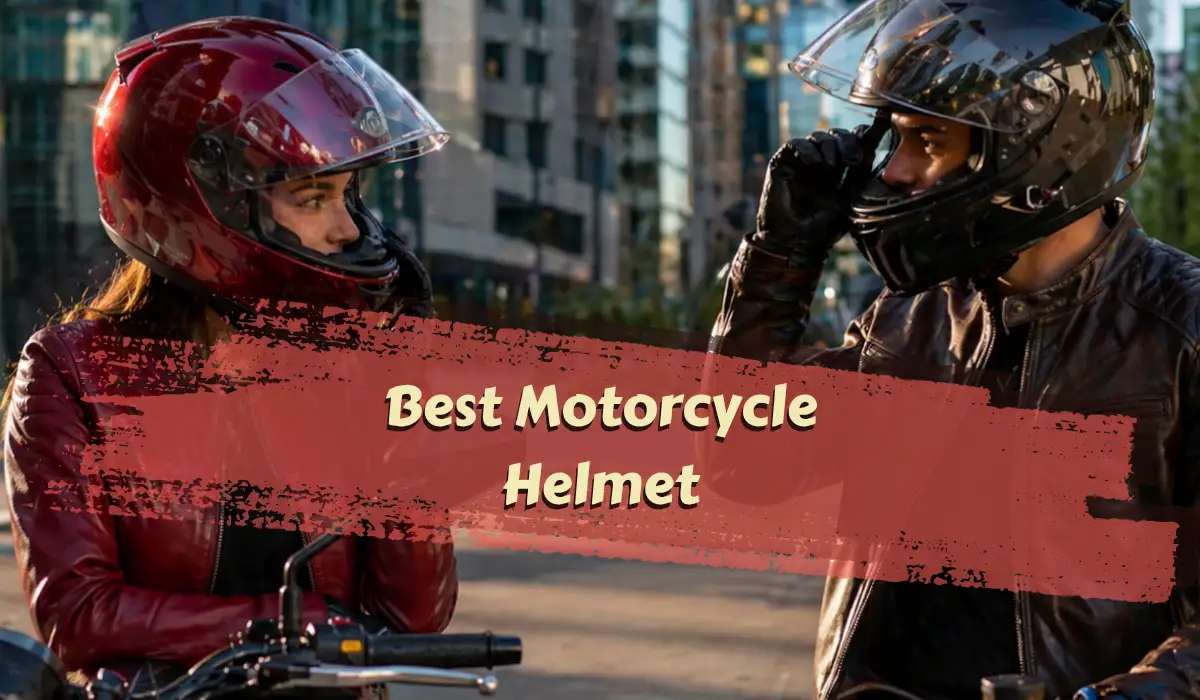
The best motorcycle helmet is the one that fits your head shape, your riding speed, and your normal weather. Buy the wrong one and you deal with the same problems every ride: forehead pressure, loud wind roar, bad fogging, or a visor setup that never works the way you need it to.
This is the main helmet guide for riders who want the shortest path to the right category. If you already know the shell style you want, jump straight to the best full-face motorcycle helmets, the best modular motorcycle helmets, or the best open-face motorcycle helmets. Before you buy, it also helps to lock in fit with how to size a motorcycle helmet and understand the tradeoffs in motorcycle helmet safety ratings.
Jump Ahead To:
Start With the Right Helmet Type
Most riders do better when they choose the shell style first and the exact model second. A full-face helmet is still the easiest answer for normal street riding because it gives you the simplest mix of coverage, visor sealing, and highway stability. That is why the best full-face motorcycle helmets guide is the best first stop for most riders.
Modular helmets make more sense when you stop often, wear glasses, commute every day, or want easier fuel-stop convenience. Open-face helmets make more sense when your speeds are lower, your climate is hotter, or you knowingly prefer a lighter and less enclosed setup. Riders mixing pavement with gravel or dirt should also compare the best adventure motorcycle helmets, because those helmets solve a different problem from a pure street lid.
Best Motorcycle Helmet for Most Street Riders
For most street riders, a good full-face helmet is still the safest place to start. It is easier to get a stable visor seal, easier to manage rain and wind, and easier to build around daily commuting, weekend rides, and normal highway miles. That is why the best full-face motorcycle helmets page carries the most useful shortlist for the widest range of riders.
If your riding mixes city miles with freeway stretches, you should also compare the best motorcycle helmets for commuting and the best quiet motorcycle helmets. Those two pages usually answer the problems riders notice first after buying the wrong lid: too much wind noise, too much fatigue, and too much annoyance in daily traffic.
Best Motorcycle Helmet for Commuting
A commuting helmet needs to be easy to live with every day, not just impressive for ten minutes in a showroom. Stable fit, manageable wind noise, easy visor use, and solid fog control matter more than aggressive styling. If city miles and freeway runs are your normal routine, start with the best motorcycle helmets for commuting guide.
Commuters should also think about ownership details earlier than most riders do. That includes best motorcycle helmet face shields for replacement planning, how to stop motorcycle helmet fogging for wet mornings, and best motorcycle helmet locks if the helmet is going to stay with the bike during work stops.
Best Motorcycle Helmet for Hot Weather
Hot-weather riding ruins a lot of helmets that feel fine in cooler weather. Vent count matters, but so do shell shape, visor behavior, and how heavy the helmet feels in stop-and-go traffic. If you ride in heat most of the year, go straight to the best motorcycle helmets for hot weather guide instead of assuming any vented full-face helmet will do the same job.
Heat-sensitive riders should also compare best lightweight motorcycle helmets, because neck fatigue and heat discomfort often show up together. If sweat and interior grime are part of the problem, the best motorcycle helmet liners guide is worth using alongside the helmet search.
Best Motorcycle Helmet if You Wear Glasses
Helmet fit changes fast once glasses are part of the routine. A helmet that feels fine without frames can become miserable once the temples start pressing into your head. If that sounds familiar, the best motorcycle helmets for glasses guide should be one of your first stops, not an afterthought.
Glasses riders often do better with helmets that also have easier visor routines and better fog-control options. That is why best modular motorcycle helmets, best motorcycle helmet face shields, and how to stop motorcycle helmet fogging all connect closely to the glasses question.
Best Motorcycle Helmet on a Budget
A budget helmet only makes sense if it solves the right problem. If you need a first helmet now, a lower-cost full-face can be a reasonable starting point. If you already know you ride a lot and hate noise, heat, or sloppy visor hardware, a cheap helmet can become expensive fast once you replace it early. The best budget motorcycle helmets guide is the right place to sort that out.
Budget shoppers should also compare best full-face motorcycle helmets and best lightweight motorcycle helmets before assuming the cheapest option is the best value. Sometimes the better buy is the helmet that prevents fatigue and fit regret, not the helmet with the lowest first price.
Best Modular Helmet Path
Modular helmets are worth the extra bulk only when you actually use the flip-up convenience. If you stop often, talk at gas stations, ride with glasses, or want easier on-off daily use, modular can be the right answer. If you rarely do any of that, a normal full-face may still be the smarter buy. The fastest way to sort that out is the best modular motorcycle helmets guide.
Modular riders should also care more about daily ownership details than sport-focused riders usually do. That includes how to reduce motorcycle helmet wind noise, best motorcycle helmet speakers, and motorcycle helmet speakers vs earbuds, because modular helmets often become part of a full commuting or touring setup rather than just a simple shell purchase.
Best Helmet for Dirt, ADV, and Goggle Use
Not every rider should be looking at a pure street helmet. If your riding includes gravel, forest roads, or ADV travel, the best adventure motorcycle helmets guide is the better starting point. Those helmets balance visor use, peak design, and goggle compatibility differently from road-first lids.
If you are building around a goggle setup instead of a shield, pair that search with best motorcycle goggles. If you want the most basic shell style comparison first, types of motorcycle helmets is the quickest way to stop comparing the wrong categories against each other.
How to Choose the Right Motorcycle Helmet
Start with shell style. Full-face is the default answer for most road riders. Modular is the convenience answer. Open-face is the lighter, less enclosed answer. ADV helmets make sense when the ride includes more dirt, peaks, and goggle logic. If you are still unsure, compare types of motorcycle helmets before looking at individual models.
Then check fit before features. A drop-down visor, extra vents, or a premium shell material does not matter if the helmet gives you forehead pain in twenty minutes. Use how to size a motorcycle helmet before checkout, and if you are buying online from an aggressive marketplace listing, run through how to spot a fake motorcycle helmet before you trust the deal.
Finally, think past the first ride. Shield availability, fogging, wind noise, speakers, storage, and replacement timing matter more than most riders expect. That is why when to replace a motorcycle helmet, how to clean a motorcycle helmet, best motorcycle helmet bags, and best motorcycle helmet locks belong in the same ownership plan.
Common Buying Mistakes
- Buying by looks before checking fit shape.
- Choosing a shell style that does not match normal riding.
- Treating a budget lid like a long-term premium answer.
- Ignoring fog control, shield replacement, and wind noise.
- Forgetting basics like storage, locks, liners, and cleaning.
Those ownership details matter more than riders think. If the helmet spends time on the bike, compare best motorcycle helmet locks and best motorcycle helmet bags. If sweat and odor build up fast, add best motorcycle helmet liners and follow how to clean a motorcycle helmet before comfort starts falling apart. Riders who often carry a passenger lid should also read how to carry a second motorcycle helmet.
Frequently Asked Questions
What is the best motorcycle helmet for most riders?
For most street riders, the best place to start is a well-fitting full-face helmet with strong visor support and stable road manners.
Is a modular helmet as good as a full-face helmet?
It can be, but modular helmets usually make the most sense when flip-up convenience is part of your normal routine.
How tight should a motorcycle helmet fit?
It should feel snug all around without sharp pain points or pressure that gets worse after a few minutes.
Are expensive helmets always worth it?
Only when the extra money solves a real problem for your riding, like better fit, lower fatigue, easier visor use, or cleaner airflow.
What matters most for hot-weather riding?
Ventilation, visor clarity, and a shell that stays manageable in traffic matter most.
What matters most for highway commuting?
Stable fit, manageable wind noise, and a visor setup you can live with every day matter more than flashy styling.
If you already know you want a race-style shell, go to the best full-face motorcycle helmets. If flip-up convenience matters more, compare the best modular motorcycle helmets. For hot climates, use the best motorcycle helmets for hot weather. For city mileage, the best motorcycle helmets for commuting guide is the next best stop.