
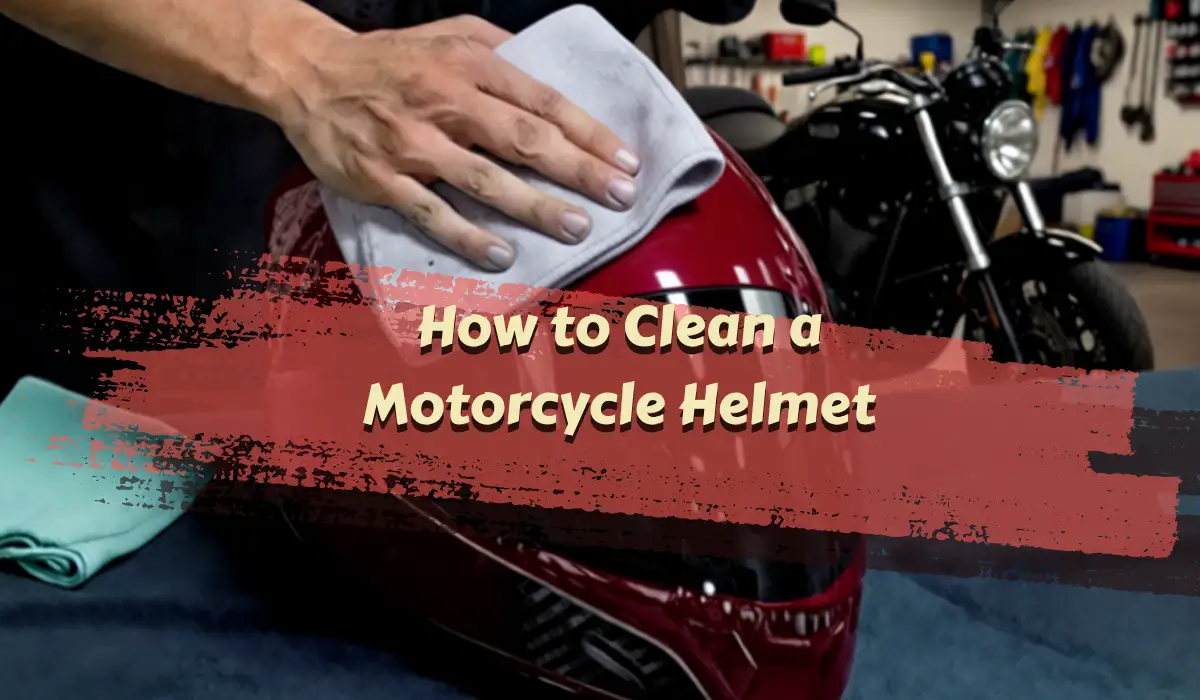
Is cleaning a motorcycle helmet mostly about looks? No. Dirt, sweat, bug acid, and skin oils all shorten visor life and make the inside of the helmet feel worse than it should.
The trick is cleaning it without ruining the very parts that protect you. A helmet shell, visor coating, Pinlock insert, and EPS liner all react badly to harsh chemicals and rushed drying.
If the helmet already looks worn out or feels loose, check when to replace a motorcycle helmet before you spend time trying to save it. If you are still working through fogging too, keep the helmet fogging guide handy while you clean.
Jump Ahead To:
What You Need Before You Start
Use simple, mild supplies:
- lukewarm water
- soft microfiber cloths
- mild baby shampoo or a helmet-safe cleaner
- a soft brush or cotton swabs for vents
- a clean towel for air-drying parts
Skip the harsh stuff. Ammonia cleaners, strong degreasers, gasoline, alcohol sprays, and rough paper towels are exactly how riders ruin visor coatings, matte paint, and rubber seals.
Step 1: Strip Off the Easy Parts First
Take off comms units, cameras, visor accessories, and any other add-ons before water gets near the helmet. Remove the main visor and internal sun shield if your helmet allows it. If the liner and cheek pads come out, take them out too.
Do not force tabs or plastic snaps. If you are not sure how the parts stack back together, lay them out in order or take a quick phone photo before you start.
Step 2: Clean the Shell Without Grinding Dirt Into It
Bug splatter and road grime should be softened before you wipe. Lay a warm, wet microfiber over the shell for a few minutes, then wipe gently instead of scrubbing dry grime across the finish.
For a gloss shell, mild soap and water are usually enough. For matte and carbon-fiber helmets, stay even gentler. Matte finishes hate waxes and aggressive rubbing because shiny spots do not wipe back out. Carbon shells also deserve solvent-free cleaners and straight-line wiping instead of hard circular scrubbing.
If the helmet has sticky rubber trim or old soft-touch plastic turning tacky, clean carefully and keep strong solvents away from the main shell and EPS. A sticky trim piece is annoying, but melting the parts that actually absorb impact is a much bigger problem.
Step 3: Clean the Visor the Right Way
The visor is the part riders ruin fastest. Polycarbonate scratches easily, and anti-fog coatings are even softer. Start by rinsing with lukewarm water and using your fingertips to feel for grit before a cloth drags it across the surface.
Use mild soap only if plain water is not enough. Do not use glass cleaner. Do not use paper towels. Do not scrub bug spots dry. Those shortcuts are how a clear shield turns hazy and scratchy in one season.
If you use a Pinlock insert, treat it even more gently than the visor itself. Remove it if the helmet design makes that easy, rinse it lightly, and let it air-dry. Do not wipe it hard while wet. The inside surface scratches much faster than riders expect.
Internal sun shields deserve the same care. They often scratch even more easily than the main visor, so rinse first, wipe softly, and keep them away from harsh cleaners.
If your shield is already too scratched or loose to save, it is time to shop replacement face shields instead of polishing harder.
Step 4: Wash the Liner and Cheek Pads Without Soaking the Helmet
If the liner is removable, hand-wash it in lukewarm water with a small amount of mild soap or baby shampoo. Work the sweat and oil out gently with your hands, rinse it well, then squeeze out water without twisting the fabric hard enough to damage the foam backing or plastic tabs.
If the liner is not removable, spot-clean it instead. Use a damp microfiber with mild soap and work section by section. The goal is to clean the comfort fabric, not flood the EPS foam underneath it.
This is where riders get impatient and make a mess. A fully dunked helmet with a non-removable liner can trap moisture in places that take forever to dry. That stale dampness leads to odor, mildew, and a helmet that still feels gross when you put it back on.
Step 5: Clear the Vents, Seals, and Small Parts
Dirty vents make a helmet feel hotter and foggier than it should. Use a soft brush, cotton swab, or low-pressure air to clear dust and bug pieces from vent channels. Be gentle around sliders and small plastic pieces so you do not snap them loose.
Check the visor gasket and eye-port seal while you are there. If the rubber is dry, cracked, or flattened, a clean helmet may still whistle and leak. A tiny amount of silicone-safe rubber treatment can help keep the gasket supple, but do not soak it in oily products.
Step 6: Let Everything Dry Fully Before Reassembly
Air-dry everything in shade with good airflow. That usually means leaving pads and liners out for many hours, and often overnight or longer. Never rush the job with a hair dryer, direct sun, or a heater vent.
Heat shrinks foams, dries out seals, and can damage adhesives. A helmet that smells cleaner but fits worse is not a win.
Once the parts are fully dry, reinstall the liner, pads, and visor. Then check that the visor opens and seals correctly, the vents still move cleanly, and the liner is seated flat instead of bunched up.
Cleaning Mistakes That Ruin Helmets
The most common mistake is using household cleaners because they are already in the garage. Window cleaner, strong dish degreaser, fuel, and solvent sprays do not belong on visors, matte finishes, or EPS-backed interiors.
The next mistake is impatience. Scrubbing dry bugs, wiping a Pinlock hard, machine-drying liner parts, or reassembling the helmet while it is still damp all create damage that builds up over time.
The last mistake is treating cleaning like repair. Cleaning can restore comfort and visibility. It cannot fix a cracked shell, a loose visor pivot, packed-out cheek pads, or a helmet that has already aged out.
A Cleaning Schedule That Actually Works
You do not need a full spa treatment after every ride. A simple routine is enough:
- wipe bugs and road film off the shell and visor after dirty rides
- clean vents and visor more thoroughly every few weeks if you ride often
- wash removable liners monthly if you commute a lot or sweat heavily
- do a full deep clean before long trips and after rain-heavy or dusty weeks
If heat and sweat are constant problems, compare helmets for hot weather and helmet liners instead of assuming cleaning alone will solve it.
Frequently Asked Questions
Can I use Windex or glass cleaner on a helmet visor?
No. Glass cleaners can damage visor coatings and make polycarbonate haze or crack over time.
Can I soak the whole helmet in water?
It is better not to. A helmet with a non-removable liner should be spot-cleaned instead of fully submerged.
How often should I wash helmet pads?
Regular commuters often need it every few weeks. Weekend riders can go longer if they wipe the helmet down between rides.
Can I machine wash helmet liners?
Hand washing is the safer move unless the manufacturer clearly allows machine washing.
Why does my helmet still smell bad after cleaning?
The liner may still be damp, the vents may still be dirty, or the interior foam may need a deeper hand clean.
Is direct sunlight okay for drying a helmet?
No. Shade and airflow are safer than baking the helmet in direct sun.
If the helmet still feels wrong after a proper clean, check how to size a motorcycle helmet and when to replace a motorcycle helmet. If the shield is the weak point, compare best motorcycle helmet face shields.