
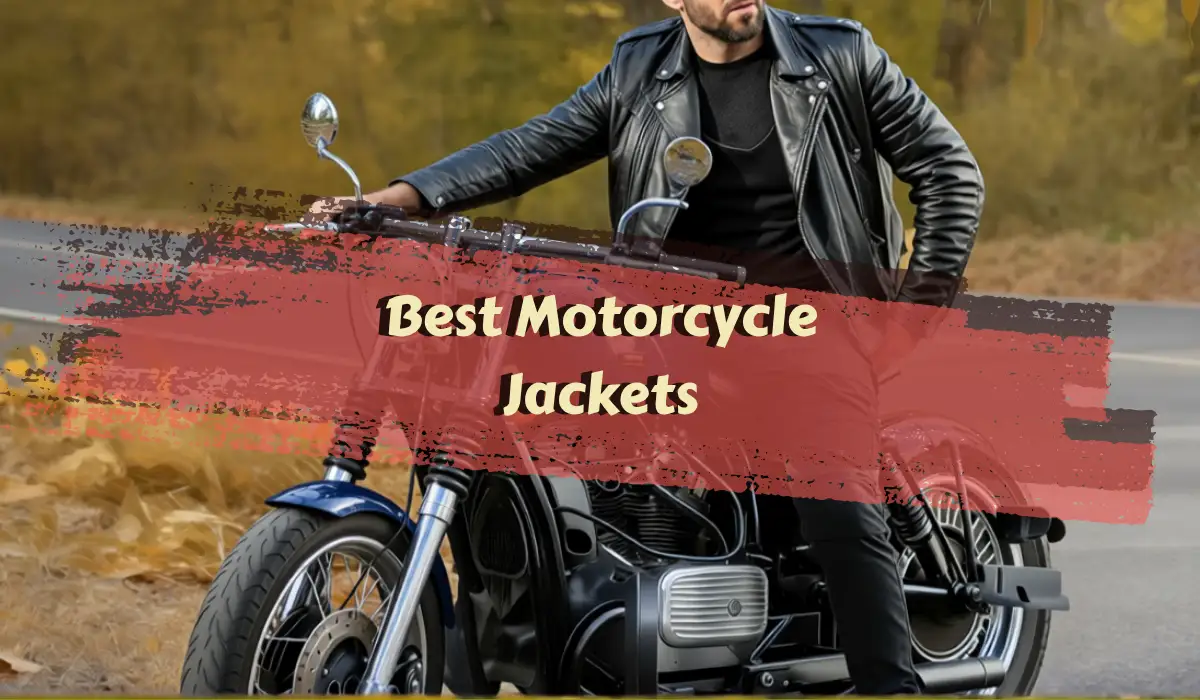
Most riders buy one jacket, then force it to do every job. That usually fails in bad weather, long rides, or high-heat traffic. The right move is to choose your jacket category first, then choose products inside that category.
This page is your jacket decision hub. Use it to match your riding style to the right jacket type, then jump to the support guide for full product breakdowns and tradeoffs.
Jump Ahead To:
How to Use This Motorcycle Jacket Hub
Start with your main riding reality, not brand names. Think about where you ride most, what weather you see most, and how much protection structure you want.
Then use the category router below. Each section includes one representative pick pulled from a support guide so you can understand what that category feels like before you click through.
Fast Category Router (Pick Your Riding Need First)
| If your riding looks like this | Start here |
|---|---|
| Mixed pavement, backroads, and longer route changes | Best adventure motorcycle jacket |
| Protection-first setup for higher-speed road use | Best armored motorcycle jackets |
| Lowest-cost practical entry for daily riding | Best budget motorcycle jackets |
| Classic road style with cruiser ergonomics | Best cruiser motorcycle jackets |
| Leather-first abrasion feel and road style | Best leather motorcycle jackets |
| Textile all-rounder for mixed commuting and touring | Best textile motorcycle jackets |
| Rain-first setup for wet weather commuting and touring | Best waterproof motorcycle jackets |
| Women’s fit geometry and comfort priorities | Best womens motorcycle jackets |
| Cold-season riding and insulated weather protection | Best winter motorcycle jackets |
| Hot-weather airflow and summer comfort | Best mesh motorcycle jacket and best summer motorcycle jackets |
| Extra upper-body impact protection over your jacket | Best motorcycle airbag vest |
Adventure Jackets for Mixed Terrain and Weather
Adventure jackets make sense when your rides mix highway miles, weather shifts, and occasional off-pavement movement. They aim for balanced weather control and mobility instead of one-condition specialization.
A strong category reference is the REV’IT! Sand 5 H2O Adventure Touring Jacket. It is a good example of modular weather management for varied routes, with the tradeoff of more setup compared with simpler commuter jackets. For full category picks, open best adventure motorcycle jacket.
Armored Jackets for Protection-First Riders
Armored categories are built around impact-zone confidence and shell stability. This route works well for riders who care more about protection structure than lightweight casual feel.
A representative pick is the KLIM Latitude Touring Motorcycle Jacket, which combines durable shell build with strong protective layout for high-mile use. It carries more weight and cost, but gains long-range confidence. Compare full options in best armored motorcycle jackets.
Budget Jackets for Daily Practical Value
Budget does not have to mean bare-bones. The right budget jacket still needs reliable shell material, usable armor placement, and weather range that matches your real rides.
The HWK Adventure Touring Motorcycle Jacket is a good budget-category example because it keeps core protection and all-season intent without premium pricing. If value is your main filter, use best budget motorcycle jackets.
Cruiser and Leather Jackets for Classic Road Style
Cruiser and leather categories matter when you want classic road style with real protective structure. These lanes can overlap, but cruiser picks usually focus on relaxed road posture while leather-focused sport picks can run more aggressive.
Representative examples are the HWK Brando Leather Motorcycle Jacket in the cruiser lane and the Alpinestars GP Plus R V4 Rideknit in the leather-performance lane. For full breakdowns, compare best cruiser motorcycle jackets and best leather motorcycle jackets.
If you want more context on why leather remains popular in rider culture, read why bikers wear leather vests.
Textile Jackets for One-Jacket Daily Utility
Textile jackets are often the best one-jacket answer for riders who need commuting comfort, weather range, and practical features. They usually sit between mesh airflow and heavy leather structure.
A useful reference is the KLIM Latitude Touring Jacket from the textile category, which is designed for long weather-variable mileage. If you want all-round textile options, see best textile motorcycle jackets.
Mesh and Summer Jackets for Heat Management
When temperatures stay high, airflow has to be the priority. Heat fatigue and sweat buildup can hurt focus faster than most riders expect.
KLIM Induction is a representative pick that shows what high-airflow jackets can do when they also keep stronger reinforcement in key zones. For warm-climate routing, compare best mesh motorcycle jacket and best summer motorcycle jackets.
Waterproof and Winter Jackets for Bad Conditions
Rain and cold expose weak jacket choices quickly. In wet and cold conditions, the right shell and liner strategy improves comfort, focus, and control feel over long rides.
A practical waterproof reference is the Alpinestars T-SP S Waterproof Jacket. A practical winter reference is the ILM Street Jacket with CE armor and detachable thermal liner. Use best waterproof motorcycle jackets for rain-first picks and best winter motorcycle jackets for cold-season setup.
Women’s Jackets for Better Fit Geometry
Women’s-specific fit changes more than waist shape. Good women’s models also improve armor position, shoulder movement, and layering comfort in riding posture.
A strong representative pick is the Alpinestars Stella Andes V3, which is designed around women-specific fit with all-weather utility. For the full women’s shortlist and fit tradeoffs, open best womens motorcycle jackets.
Airbag Vest Add-On for Extra Impact Protection
An airbag vest is not a replacement for a proper jacket, but it can add a meaningful upper-body protection layer when fit and expansion room are correct.
A stronger category reference here is the Hit-Air MLV Airbag Vest, which stands out for regular road use because it combines reusable tether-trigger deployment with a more convincing everyday-use case than the cheaper generic listings. If you are considering this upgrade path, compare options in best motorcycle airbag vest.
Jacket Fundamentals Before You Buy
Fit and Armor Position
The best jacket on paper is still wrong if armor drifts off shoulder and elbow zones while riding. Always test fit in riding posture, not standing posture.
Weather Strategy by Region
Match the jacket to your hardest regular weather day. Riders in rain-heavy regions should prioritize waterproof strategy, while hot-climate riders should prioritize sustained airflow.
Complete Gear System
A jacket works best as part of a full setup. Pair your jacket plan with best motorcycle gloves, best motorcycle boots, and a rain strategy from best motorcycle rain gear.
Decision Paths by Rider Type
New Riders and Daily Commuters
Start with textile or budget-focused categories that are easy to live with every day. Build comfort and consistency first, then upgrade into more specialized categories when your ride style is clear.
High-Mileage Touring Riders
Prioritize weather confidence and long-day comfort. Waterproof, textile, and winter-focused categories usually give better fatigue control across long route days.
Hot-Climate Urban Riders
Choose airflow-first categories. Mesh and summer-focused jackets are usually safer for concentration in stop-and-go heat than heavy all-season shells.
Style-First Cruiser Riders
Cruiser and leather categories are the natural fit, but keep armor position and jacket weight practical for your actual route distance.
Common Jacket Buying Mistakes
- Buying by brand before choosing the right jacket category.
- Using a heavy winter shell year-round in hot urban traffic.
- Buying mesh-only jackets for regions with long wet seasons.
- Ignoring fit in riding posture and ending up with drifting armor.
- Treating an airbag vest as a substitute for jacket protection.
Frequently Asked Questions About Motorcycle Jackets
What is the best type of motorcycle jacket for most riders?
For most riders, textile all-rounders are the easiest starting point because they balance weather range, comfort, and practical protection.
Should I choose leather or textile first?
Choose by ride reality. Leather is great for abrasion feel and classic style, while textile usually gives better weather and daily-use flexibility.
Are mesh jackets safe enough for highway use?
They can be, if construction and armor are strong. The tradeoff is reduced weather protection compared with denser shells.
Do I need a separate winter jacket?
If you ride in cold months often, yes. Winter-focused jackets reduce fatigue and improve control feel in low temperatures.
Is a waterproof jacket enough for heavy rain riding?
It is the core layer, but full wet-weather comfort also depends on gloves, boots, and rain setup.
Should women riders use women-specific jackets?
Usually yes. Women-specific shaping often keeps armor alignment and mobility more stable in riding posture.
Is an airbag vest worth adding over a jacket?
For riders who want more impact protection, it can be a strong add-on as long as jacket fit and expansion room are correct.
How many jackets should one rider own?
Many riders do best with two: one airflow-focused jacket for heat and one weather-focused jacket for cold or rain.
If your riding is mostly hot-weather city traffic, start with best mesh motorcycle jacket or best summer motorcycle jackets. If your challenge is year-round rain and cold, go to best waterproof motorcycle jackets and best winter motorcycle jackets. For fit-specific guidance, use best womens motorcycle jackets and best armored motorcycle jackets.