
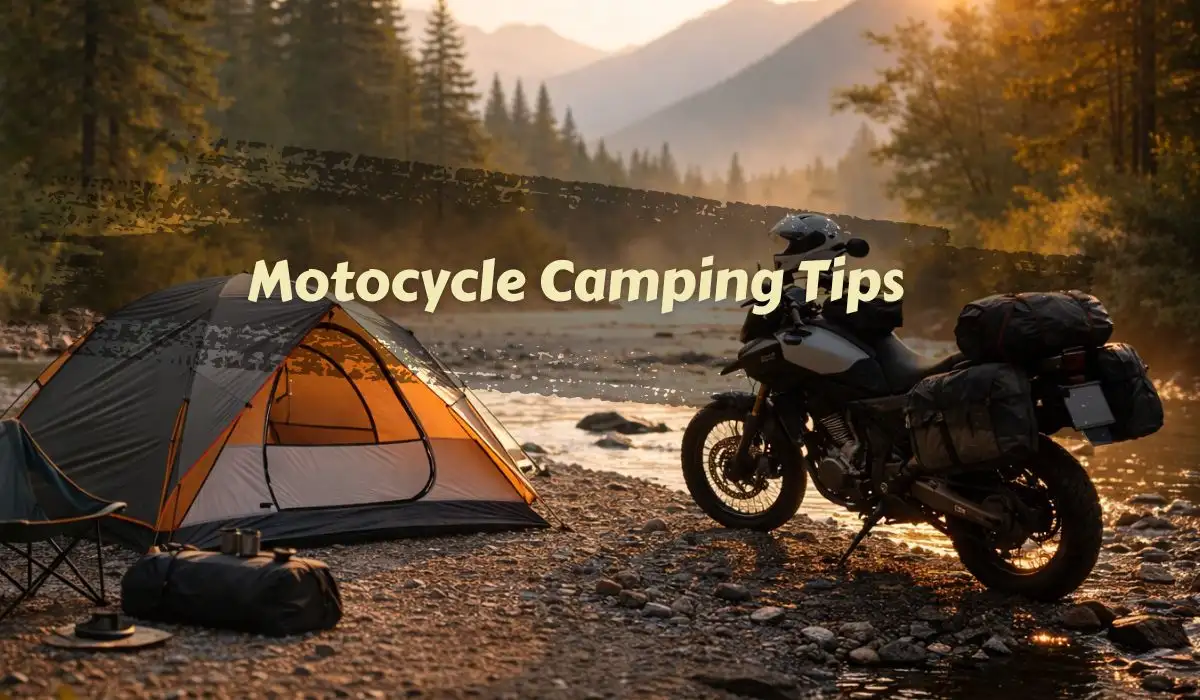
Are motorcycle camping tips just normal camping advice for people who happen to ride? Not really. On my first run to Tobermory, I learned fast that motorcycle trips add baggage limits, fatigue exposure, and bike-security concerns that change what “good camping” looks like.
Bike travel adds limits that change everything: tighter luggage, higher fatigue, overnight security risk, and faster weather exposure. This guide gives practical routines for site choice, weather moves, security, food, and emergency readiness.
Jump Ahead To:
What Is Motorcycle Camping Tips (and Who Needs It)
Motorcycle camping tips are practical field habits for riders who sleep outside while traveling by bike. They focus on execution, not shopping: where to camp, how to adapt to weather, how to secure the bike, and how to preserve energy across multiple days.
This guide is for new riders doing first overnighters, experienced riders tightening their routine, and solo riders who need low-drama systems under changing conditions. If you already have “enough gear” but still feel rushed, wet, or behind schedule at camp, these tips are for you.
The most useful starting habit is a short shakedown run close to home before longer trips. It exposes packing problems, missing tools, and setup friction while recovery is easy.
Use this as a decision and routine playbook, not a checklist replacement.
Site Selection for Motorcycle Camping
Evaluating Campsite Terrain
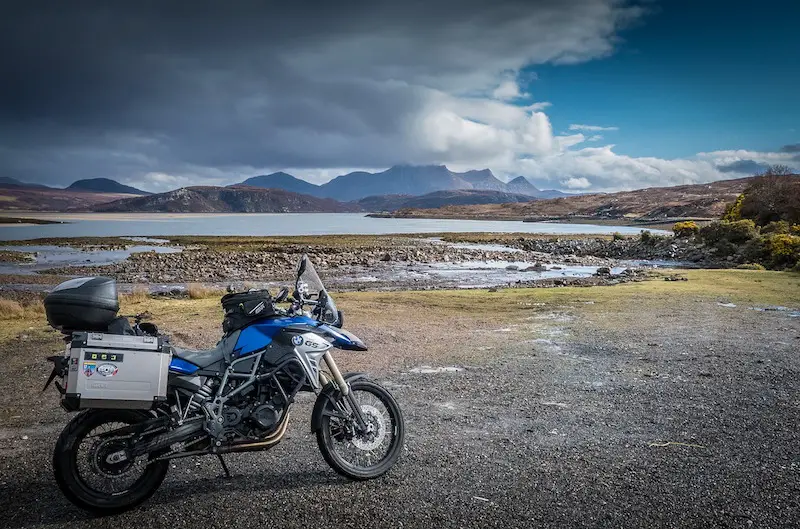
Terrain determines both bike stability and sleep quality. A campsite can look fine at first glance and still create avoidable problems.
Quick terrain scan before unloading:
- Check side-stand support: soft soil, sand, and hot asphalt can sink.
- Check slope: mild grade can be manageable, but side-lean plus load can become unstable.
- Check drainage path: avoid low pockets where water collects after rain.
- Check tent footprint: remove sharp objects and account for ground hardness.
Bike-first rule: do not commit to tent placement before you have a stable bike parking spot. A tipped bike after setup costs more time and risk than moving camp position early.
Weather Protection Considerations
Campsite comfort is mostly weather positioning, not fancy gear.
Look for:
- Wind breaks without dangerous dead branches overhead.
- Morning sun exposure if you want faster dry-out.
- Distance from open water when condensation or cold pooling is likely.
- Enough spacing from channels or dips that can flood in overnight storms.
A good weather-aware site makes average gear perform better. A bad site makes premium gear feel inadequate.
If your sleep quality still collapses after otherwise smart site choices, the weak point is often the overnight system itself rather than the campsite. That is where the motorcycle camping sleep system guide becomes more useful than another generic tip list.
Security and Visibility
Security in camp is about balance, not extremes. Total concealment can isolate you; total exposure can advertise gear.
Choose a setup that gives:
- Reasonable visibility to avoid easy opportunistic theft.
- Enough privacy to reduce attention on your loading routine.
- Clear awareness of who can access your bike path.
If camp security is the part of the routine you have not systemized yet, tighten it up with a motorcycle camping security setup instead of improvising each night.
In developed sites, choose proximity to normal activity without parking in obvious traffic chokepoints. In dispersed or low-profile camp zones, avoid being the most visible setup from common access tracks.
Accessibility for Quick Departures
Departure quality starts during arrival.
Site for morning efficiency:
- Park bike facing practical exit direction.
- Keep first-ride items easy to reach.
- Confirm access path before dark.
- Position camp so teardown order is simple, not crossed.
Use the sunset rule as a practical timing guardrail: aim to be deciding on final camp at least an hour before dark. When weather turns overnight, fast departure options reduce pressure and prevent rushed decisions.
Weather Preparation and Adaptation
Pre-Ride Weather Research
Check forecasts as a routine, not once before departure. Weather planning should include both ride windows and overnight lows.
Minimum daily weather pass:
- Morning departure window.
- Midday wind and rain trend.
- Overnight temperature and precipitation risk, including elevation-related drops.
- Alternate route or stop options if conditions shift.
Plan for variability, not forecast perfection. The useful question is: “What will I do if conditions are one step worse than expected?”
If your route includes water-exposed stretches, treat fast weather swings as normal. Coastal routes are a good reminder that calm conditions can change quickly.
Wind and Rain Strategy
Wind and rain are where good routines beat good intentions.
Wind strategy:
- Reduce cruising pace when crosswinds build.
- Increase stop cadence for fatigue and focus checks.
- Reassess exposed route segments before committing.
Rain strategy:
- Move rain layer to first-access before first drops.
- Keep sleep kit isolated from ride-wet gear.
- Prioritize sheltered setup sequence at camp.
Trying to “push through and fix later” usually costs more time and energy than early adaptation. Ride in full protective gear (ATGATT mindset), then adapt pace and layers instead of stripping safety layers to save a few minutes.
Adapting to Unexpected Weather
Unexpected weather is normal on multi-day rides. Your response speed matters more than your prediction accuracy.
Mid-trip pivot protocol:
- Stop early before fully saturated or overtired.
- Re-layer and protect core dry items first.
- Reduce daily target and move to fallback plan.
- Shift from ideal route to safe/reliable route if needed.
This is not quitting. It is risk management under changing inputs.
That gets easier when your baggage layout already separates wet and dry systems well, which is why how to pack motorcycle camping gear with dry bags matters more than just buying any waterproof bag.
Rain-Specific Strategies
Rain systems fail when wet and dry items mix.
Use a wet-flow routine:
- Keep one dedicated dry sleep layer untouched.
- Isolate wet gloves/shells immediately.
- Use packing order that prevents drip transfer to core gear.
- Use a simple towel-roll squeeze method to pull moisture from small items when drying windows are short.
- Dry or air critical items as soon as weather windows appear.
Morning after heavy rain, resist rush-packing. Two extra minutes of wet segregation can protect the next full day.
Bike Security at Campsites
Physical Security Measures
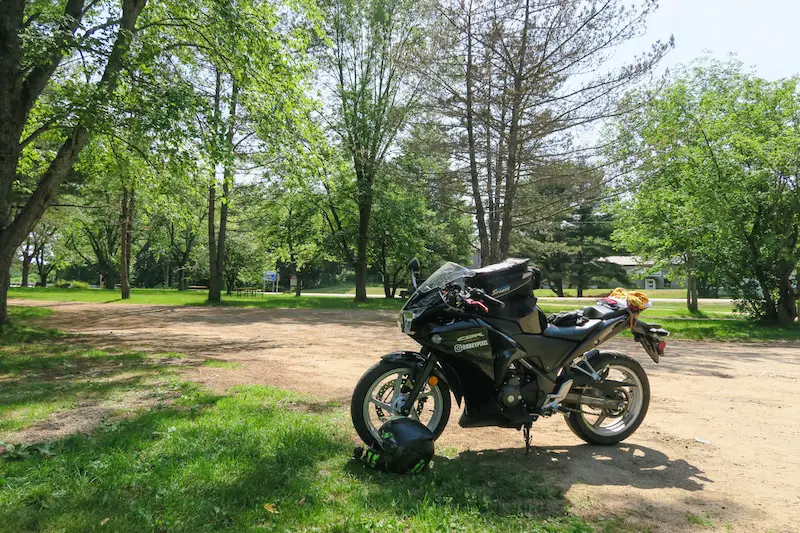
No single lock solves everything. Layer small barriers and habits.
Practical baseline:
- Steering lock every time.
- Disc lock or equivalent physical deterrent.
- Additional cable/chain where risk justifies it.
- Plain bike cover when leaving camp for longer periods.
The goal is not “unstealable.” The goal is to increase effort, time, and attention required for theft.
Valuables Management
Valuable-item discipline usually matters more than hardware.
Key rules:
- Keep wallet/docs/phone/power bank under direct control.
- Do not leave high-value compact items exposed in open luggage.
- Use a fixed key-control routine so you never wonder where keys are.
Most camp theft events are opportunistic. Reduce opportunities first.
Low-Profile Camping
Low-profile does not mean paranoid. It means not advertising avoidable targets.
Low-profile habits:
- Keep setup calm and organized, not gear-spread everywhere.
- Avoid leaving expensive accessories visible overnight.
- Use neutral routines in shared spaces.
- Keep bike appearance less conspicuous where appropriate.
Simple visual discipline can lower attention on your setup without reducing usability. In dispersed and stealth-style setups, low profile should still remain legal and safety-first.
Cooking and Food Storage
Efficient Camp Cooking Techniques
Efficient cooking preserves time, water, and cleanup energy.
Rider-friendly pattern:
- One-pot meals for most nights.
- Pre-portioned food where practical.
- Water-efficient cleanup routine.
- No-cook backup for late arrivals.
- Use “dirty dining” strategically when needed: eat your larger meal in town and keep camp meals simple.
You are building repeatable fuel and energy recovery, not restaurant-grade camp cuisine.
Lightweight Camp Stove Options
Stove choice should match route context and fuel reliability.
General use patterns:
- Canister systems: convenient and fast for most short/mid trips.
- Liquid-fuel systems: useful when fuel sourcing flexibility matters.
- Simpler ultralight setups: useful where minimalism is priority and conditions allow.
Pick the system you can run reliably when tired, cold, or wet.
Food Storage and Wildlife
Food handling is a safety issue, not just a cleanliness preference.
Wildlife-conscious basics:
- Keep food and scented items controlled.
- Separate trash from sleep area.
- Follow local storage guidance for the area.
- Keep cooking and food residue management disciplined.
Do not normalize “it worked last time” behavior around scent control. Good habits are easier than bad encounters.
Water Sources and Purification
Water reliability should be planned like fuel reliability.
Minimum water strategy:
- Carry baseline volume matched to conditions.
- Identify refill confidence points.
- Keep backup treatment method where uncertainty exists.
- Protect clean/dirty workflow if filtering.
Do not assume one source will be available just because maps suggest it.
If your refill plan is still loose, compare water filters for motorcycle camping before the trip instead of waiting to solve it at the source.
Safety and Emergency Preparedness
Communication and Navigation
A resilient navigation plan is layered, not single-point.
Minimum layer model:
- Primary navigation system.
- Offline map backup.
- Contact check-in plan.
- Basic written backup notes if needed.
If signal drops and battery drops at the same time, your backup layer is what keeps the trip controlled. Also treat earplugs as focus equipment, not optional comfort, because wind-noise fatigue builds over long days.
That backup plan works better when your charging routine is already sorted, so it helps to review how to charge devices while motorcycle camping before longer trips.
First Aid and Bike Repair
Carry a compact first-aid kit and a ride-out repair kit you can actually use.
Field-ready minimums:
- First aid for common camp/ride issues plus personal meds.
- Tire repair + inflation capability.
- Bike-specific basic tools.
- Small fix items (zip ties, tape, basic spares).
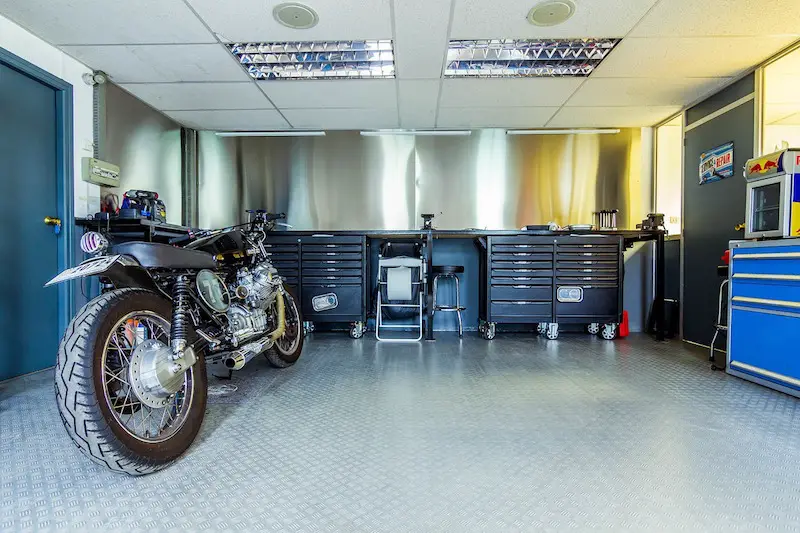
Run a skills check before long trips by doing basic garage maintenance using only your travel kit. Equipment without practice is false confidence.
If your medical kit is still a weak point, start with the main motorcycle camping first aid kits guide and build from the trip risks you actually face.
Wildlife Encounters
Wildlife management is mostly behavior and distance discipline.
Practical approach:
- Avoid food handling near sleep setup.
- Keep calm distance and avoid provoking movement.
- Respect local guidance for species and region.
- Control camp scents and trash.
Most encounters stay uneventful when campsite discipline is consistent.
Fire Safety
Fire safety must match regulations and conditions every day.
Non-negotiables:
- Verify restrictions and bans before use.
- Keep stove/cooking zone clear and stable.
- Maintain safe distance from flammable materials.
- Fully extinguish before leaving or sleeping.
Never trade fire safety for convenience when tired.
When restrictions tighten, check motorcycle camping fire-ban cooking rules and safe stove use before you assume your normal stove routine is still allowed.
Frequently Asked Questions About Motorcycle Camping
Where can I motorcycle camp legally?
Legal options usually include established campgrounds and eligible public-land areas where dispersed camping is allowed. Rules vary by jurisdiction, land manager, and season.
Use a simple legal check routine: confirm land type, local rules, and current restrictions before arrival. Pair this with your motorcycle trip planning guide and motorcycle camping checklist flow.
How do I find good motorcycle camping spots?
Good spots are found through layered planning plus early scouting. Use map research before the day starts, then validate on arrival with terrain, security, and weather checks.
Arrive early enough to reject poor options. The best site is the one that supports stable bike parking, quick setup, and calm morning departure. A simple target is the sunset rule: final site decision about an hour before dark.
What should I do if it rains all night while camping?
Protect the dry core first: sleep layers, insulating gear, and critical electronics. Keep wet and dry flows separate during overnight adjustments and morning pack-out.
In the morning, repack by moisture priority, not speed. A slightly slower wet-weather teardown usually preserves the rest of your trip better than rush-packing everything together.
How do I keep my bike from sinking on soft ground?
Use a side-stand support method and choose micro-site surfaces with better load support. Avoid obvious soft pockets, mud bands, and heat-softened asphalt zones.
Check stability again after unloading because load shifts can change stand pressure and lean behavior.
Can I camp alone safely as a motorcycle rider?
Yes, with routine and conservative decision habits. Solo safety comes from process quality: route sharing, check-in windows, early adaptation, and controlled campsite behavior.
Avoid stacking risks late-day. If weather, fatigue, and uncertainty rise together, downshift your plan early.
What is the best way to pack a motorcycle for camping?
Pack by access and handling impact first. Keep heavy items low and centered, keep urgent items top-access, and keep wet and dry systems separate.
For mixed off-road conditions, many riders prefer soft luggage because it reduces lower-leg injury risk in falls. Hard cases are still useful for road-focused travel where locking convenience matters more. Use a repeatable bag-zone system so daily setup and departure are predictable. For full packing structure, use motorcycle camping gear and motorcycle camping essentials.
How do I cook in bad weather while camping?
Use the simplest reliable setup with protected working position and strict ventilation safety. Keep cooking tasks minimal and prioritize hot intake over complicated prep.
Always respect local fire restrictions, and keep a no-cook fallback option for conditions where cooking safely is not practical.
Build the rest of your setup with motorcycle camping checklist, motorcycle camping essentials, motorcycle camping gear, and motorcycle trip planning guide.