
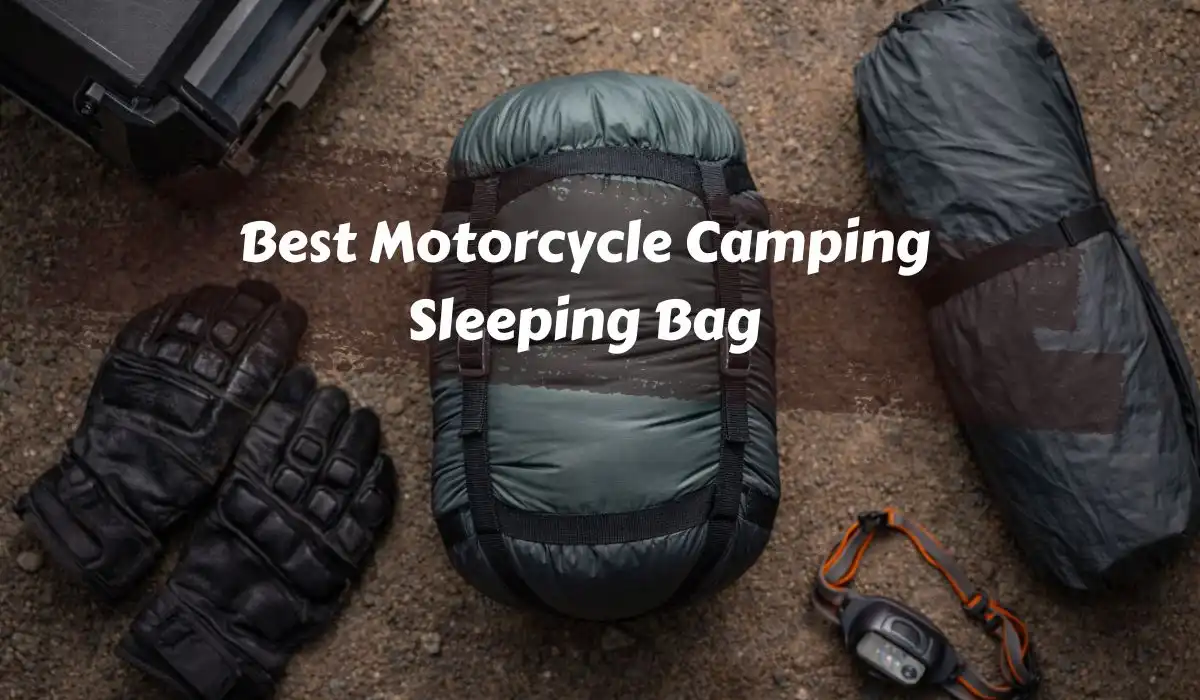
The wrong sleeping bag can wreck a motorcycle camping trip fast. If it packs too big, it steals space from the rest of your gear. If it fits badly or runs cold, you spend the night shivering, fighting zippers, or waking up every time you roll over. If you want the wider setup first, start with the main motorcycle camping gear guide and a smarter motorcycle camping sleep system plan.
For most riders, the real choice is not just the temperature number on the tag. It is shape, packed size, and how the bag matches the way you actually sleep. Some riders want the safest three-season all-rounder. Others want the smallest down bag possible. Some just want enough room to sleep on their side without feeling trapped. That is where the good options separate themselves.
Jump Ahead To:
Quick Picks
- Best Overall: Kelty Cosmic 20 Down Mummy Sleeping Bag for the best mix of warmth, value, and packability.
- Budget Pick: Teton 20F and 5F Degree Sleeping Bag for dependable low-cost warmth when luggage space is not ultra tight.
- Premium Pick: Sea to Summit Spark Ultralight Down Sleeping Bag for riders who want the smallest premium packed carry.
- Best for Side Sleepers: NEMO Equipment Disco Endless Promise Down Sleeping Bag for a roomier shape and easier movement.
- Best Zipperless Comfort: Sierra Designs Cloud 20 Degree DriDown Sleeping Bag for riders who hate tight zipper-heavy mummy bags.
Best Overall
Budget Pick
Premium Pick
Best for Side Sleepers
Best Zipperless Comfort
Comparison Table
| Product | Best For | Warmth / Shape Angle | Main Tradeoff |
|---|---|---|---|
| Kelty Cosmic 20 Down Mummy Sleeping Bag | Most riders | Balanced 20-degree down bag | Not the roomiest or tiniest option |
| Teton 20F and 5F Degree Sleeping Bag | Budget warmth | Affordable synthetic insulation | Bulkier packed size |
| Sea to Summit Spark Ultralight Down Sleeping Bag | Smallest premium carry | Ultralight high-fill down mummy bag | High price and tighter fit |
| NEMO Equipment Disco Endless Promise Down Sleeping Bag | Side sleepers | Spoon shape with venting | Less compact than aggressive ultralight bags |
| Big Agnes Sidewinder Sleeping Bag | Restless sleepers | Side-sleeper-specific layout | More specialized than a standard mummy bag |
| Sierra Designs Cloud 20 Degree DriDown Sleeping Bag | Relaxed comfort | Zipperless comfort-first design | Less sealed-in than a tighter mummy bag |
Quick Decision Guide
- Pick the Kelty Cosmic 20 if you want one bag that works for most three-season motorcycle camping trips.
- Pick the Teton if you care most about low cost and dependable warmth, and you have room for a bulkier bag.
- Pick the Sea to Summit Spark if the smallest packed luggage footprint matters more than price.
- Pick the NEMO Disco if you sleep on your side and hate narrow mummy bags.
- Pick the Big Agnes Sidewinder if you roll around all night and want a bag that moves with you better.
- Pick the Sierra Designs Cloud if you want a less restrictive bag that feels easier to live with in camp.
- If the rest of your sleep setup is still weak, compare motorcycle camping sleeping pads and tents that pack better for bike travel.
Best Motorcycle Camping Sleeping Bags 2026: Top Picks for Riders
1 / 6
Kelty Cosmic 20 Down Mummy Sleeping Bag

Temperature Role
20-degree class
Insulation
550-fill down
Shape
Mummy bag
Strength
Balanced warmth and value
Use Case
Three-season motorcycle camping
Tradeoff
Not the roomiest or smallest premium option
The Kelty Cosmic 20 is the safe all-around answer for riders who want one good down bag without drifting into the most expensive ultralight tier. It uses a familiar mummy shape, real three-season warmth, and a mainstream backpacking design that has been easy to trust for years. Nothing about it feels overly niche. That is exactly why it works so well as the default pick.
In camp, this bag lands in the sweet spot between warmth, packability, and price. It compresses well enough for bike travel, holds up as a real overnight bag instead of a summer-only backup, and gives you a dependable starting point if you are still dialing in the rest of your motorcycle camping checklist. The only real catch is shape. If you hate narrow mummy bags or toss around a lot, you may want one of the roomier picks below.
Why It Wins:
- Warm enough for a broad range of real three-season trips.
- Easier to justify than premium ultralight bags on price alone.
What You Give Up:
- The mummy cut is less forgiving for broad shoulders and active sleepers.
- It does not pack as small as the top premium down option.
2 / 6
Teton 20F and 5F Degree Sleeping Bag

Temperature Role
20F and 5F options
Insulation
Synthetic
Shape
Mummy-style
Strength
Low-cost dependable warmth
Use Case
Budget camping and rugged use
Tradeoff
Bulky packed size
The Teton is the budget pick for riders who would rather carry a bigger bag than spend premium money on down. It is built around straightforward synthetic warmth and a no-drama design. That makes it a practical fit for riders who camp often, do not want to baby expensive gear, and are still more concerned with staying warm than shaving every inch off the luggage plan.
That value comes with a very clear tradeoff. Synthetic insulation takes more room, so this bag makes the most sense on larger bikes or on trips where the rest of your packing is already organized well with dry bags that handle bulky gear better. If you have the room, though, it is a strong buy. It keeps the price low without turning into a throwaway bargain-bin bag.
Why It Wins:
- Delivers real warmth at a much easier price.
- Better fit for rough use than delicate ultralight down gear.
What You Give Up:
- Packed bulk is much harder to ignore on a small bike.
- It is not the most relaxed shape for side sleepers.
3 / 6
Sea to Summit Spark Ultralight Down Sleeping Bag

Insulation
850+ fill down
Style
Ultralight mummy bag
Strength
Very small packed carry
Use Case
Premium compact packing
Feel
Performance-first
Tradeoff
High price and tighter fit
The Spark is for riders who care hard about packed size and weight. This is the premium performance pick in the group, built around high-fill down and an aggressively light, compact design. If your luggage is already carrying a tent, stove, tools, and extra layers, a bag this small can make the whole packing system easier.
What you get in return is excellent compression and serious warmth for the class. What you give up is livability. The fit is tighter, the price is steep, and it feels more like a performance tool than a comfort-first sleeper. Riders who want the smallest high-end bag possible will love it. Riders who want to stretch out at night probably will not.
Why It Wins:
- Packs down to a very small premium-friendly size.
- Delivers strong warmth without eating much luggage volume.
What You Give Up:
- The mummy cut feels tighter than the comfort-focused bags here.
- Price is high enough that it needs a clear use case.
4 / 6
NEMO Equipment Disco Endless Promise Down Sleeping Bag

Shape
Spoon-shaped bag
Insulation
Down
Comfort Feature
Thermo Gill vents
Strength
More elbow and knee room
Use Case
Side sleepers
Tradeoff
Less compact than tighter ultralight bags
The NEMO Disco is the smarter choice if standard mummy bags make you feel pinned in place. Its spoon-shaped cut gives you more room where side sleepers actually need it, especially around the knees and elbows. That changes the feel of the bag more than small spec differences ever will. It is made for riders who value sleep comfort over the smallest possible pack size.
In use, the bigger win is that the bag feels easier to manage through the night. The venting system also helps when conditions swing and you need a little more comfort tuning instead of going from too hot to too cold. The tradeoff is simple: this is not the tightest, most compact ultralight bag in the group. It gives back some packing efficiency to make sleep feel more natural.
Why It Wins:
- Extra room makes side sleeping much easier.
- Venting gives you more control over overnight comfort.
What You Give Up:
- It is less compact than the smallest mummy-style down bags.
- Riders who sleep flat on their back may not need the extra shape.
5 / 6
Big Agnes Sidewinder Sleeping Bag

Design
Side-sleeper-specific
Insulation
Body-mapped layout
Strength
Moves better with active sleepers
Use Case
Tossing and turning
Tradeoff
More specialized design
The Big Agnes Sidewinder is not trying to be a generic bag for everyone. It is aimed straight at riders who toss, turn, and wake up fighting their sleep bag. The shape and layout are built around side-sleeper movement, which gives it a very different feel from a classic mummy bag that expects you to stay lined up all night.
That focused design is the reason to buy it. It feels more natural for riders who change position often, and it keeps the whole sleep setup from becoming a nightly wrestling match. The tradeoff is that it is more specialized than a safer all-rounder like the Kelty. If you sleep fine in a normal bag, you probably do not need it. If normal bags annoy you every night, it makes a lot more sense.
Why It Wins:
- Better fit for riders who move constantly in their sleep.
- Comfort-focused layout fixes a real problem standard bags ignore.
What You Give Up:
- The design is more specialized than a general all-purpose bag.
- Some riders may prefer a simpler, more neutral shape.
6 / 6
Sierra Designs Cloud 20 Degree DriDown Sleeping Bag

Design
Zipperless down bag
Comfort
Less restrictive sleep feel
Strength
Easy movement and reduced zipper fuss
Use Case
Comfort-first riders
Tradeoff
Less sealed-in feel than a traditional mummy
The Sierra Designs Cloud is the comfort pick for riders who hate the usual mummy-bag routine. The zipperless design gives it a looser, easier feel that stands out right away if you are tired of climbing in and out of narrow zippered bags. It feels less fussy and less confining, which is the whole reason it earns a spot here.
That same design makes it feel more livable in camp, especially if you care more about comfort than pure ultralight efficiency. The flip side is that it does not wrap you up with the same sealed-in feel as a tighter performance mummy bag. Riders who want the most locked-in warmth and smallest packed volume should look elsewhere. Riders who want a bag that feels less like a tube will like this a lot more.
Why It Wins:
- Easier movement and a more relaxed sleep feel.
- Great fit for riders who hate dealing with tight zipper-heavy bags.
What You Give Up:
- Less cocooned feel than a standard mummy bag.
- Not the most aggressive compact-carry option.
Which Sleeping Bag Fits Your Trip?
Balanced three-season riding
The Kelty Cosmic 20 is the easiest answer if you want one bag to cover the widest range of normal motorcycle camping trips. It is warm enough, compact enough, and priced reasonably enough to make sense for most riders.
Smallest packed luggage footprint
The Sea to Summit Spark is the clear choice if you are packing around tight panniers or a compact rear duffel and want the smallest premium down carry you can get. If packed size matters that much, your dry-bag packing strategy matters just as much.
Side-sleeper and comfort-first sleep
The NEMO Disco, Big Agnes Sidewinder, and Sierra Designs Cloud all solve the same problem in different ways. The Disco gives you more room, the Sidewinder works best for active sleepers, and the Cloud is the most relaxed if you simply hate the usual mummy-bag feel.
How to Choose a Motorcycle Camping Sleeping Bag
Start with real trip conditions, not the most impressive number on the bag. A true three-season setup is enough for most riders, especially if the rest of your motorcycle camping essentials are sorted out and your pad actually matches the bag. After that, choose insulation. Down wins on packability. Synthetic wins on price and easier rough-use value.
Then look hard at shape. If you sleep on your side, toss around, or hate feeling trapped, a standard mummy bag can be the wrong answer even if the warmth rating looks perfect. Packed size matters on a bike, but sleep quality matters too. Saving a little room is not worth much if the bag makes every night worse.
Common mistakes when buying sleeping bags
- Buying by temperature number alone and ignoring how you actually sleep.
- Picking a bulky synthetic bag for a small bike without planning the rest of the luggage.
- Paying for the lightest premium bag when comfort is the real problem.
- Forgetting that a weak pad can make even a good sleeping bag feel colder.
Frequently asked questions about motorcycle camping sleeping bags
Is down or synthetic better for motorcycle camping?
Down is usually better when packed size matters most. Synthetic makes more sense when price and rough-use value matter more than compact carry.
How warm does a motorcycle camping sleeping bag need to be?
For most riders, a true three-season bag is the practical middle ground. Very cold trips need more insulation, but warm-weather riders do not need to overbuy.
Do side-sleeper sleeping bags really make a difference?
Yes, if you hate narrow mummy bags. The extra room and shape changes can matter more than small weight or packed-size differences.
Is paying more for a compact bag worth it?
It is worth it when luggage space is tight and you camp often enough to feel the benefit every trip. It is less worth it if you have plenty of room and only camp now and then.
If your sleep setup still needs work, compare motorcycle camping sleeping pads, motorcycle camping tents, and motorcycle camping pillows. If you are still building the whole kit, start with motorcycle camping essentials.