
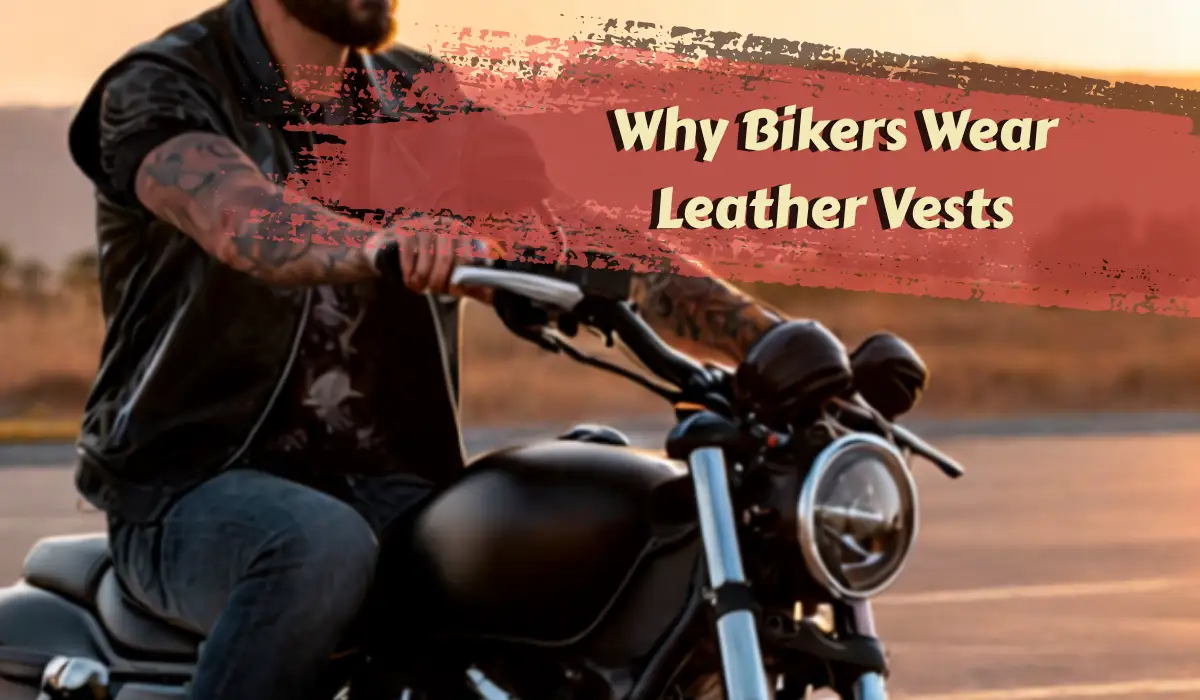
Is it just style, or is there a real reason bikers wear leather vests? Riders wear them for function, identity, and tradition. A leather vest can add core wind protection and storage while keeping arm mobility high, but it does not replace a full armored jacket.
This guide explains where biker leather vests came from, what patch etiquette means in practice, and how to decide if a vest setup makes sense for your riding.
Jump Ahead To:
What a Biker Leather Vest Actually Is
In motorcycle culture, a leather vest is often called a “cut.” Historically, riders cut sleeves off heavier jackets for more airflow and arm freedom. Over time, the vest became both practical gear and a symbol piece.
Today, riders wear leather vests in several ways:
- over a hoodie or shirt for casual rides
- over armored base layers in warmer weather
- as a patch platform for club or personal identity
- as a storage layer with quick-access pockets
If your goal is pure safety first, start with best armored motorcycle jackets and best motorcycle jackets before choosing vest style.
Why Riders Use Leather Vests
Core wind and abrasion coverage
A leather vest helps block wind across your chest and back, which can reduce fatigue on longer rides. Leather also gives better abrasion resistance than ordinary fashion fabrics.
Better arm mobility
Many riders feel less restricted at the shoulders and elbows in a vest than in thicker full jackets, especially in warm weather or around town.
Layering flexibility
A vest can be added or removed quickly depending on weather and ride duration. This makes it useful in shoulder seasons when temperatures change during the day.
Identity and community signaling
For many riders, the vest is also a visible statement piece. It can show club membership, event participation, or personal riding history through patches.
Patches, Colors, and Etiquette Basics
Patch culture has real rules in many riding communities. Even if you are not in a club, it helps to understand what certain layouts communicate.
1-piece vs 3-piece patch setups
A one-piece patch is usually used by casual groups, riding clubs, or independent riders. A three-piece patch (top rocker, center patch, bottom rocker) is widely associated with traditional motorcycle club structures and territorial meaning.
Why this matters
Wearing patch formats that imply club status or territory can create conflict if you did not earn them through that system. Most independent riders should avoid symbols they do not fully understand.
Practical safe approach for most riders
- use plain vests or one-piece personal/event patches
- avoid bottom territory rockers unless you are authorized
- avoid club-identifying marks you did not earn
- do not touch another rider’s colors or patches without permission
For beginners still building a full safety kit, pair this topic with best motorcycle helmet and best motorcycle gloves.
Is a Leather Vest Good Protection?
A leather vest helps, but it is partial protection.
What it does well
- adds chest/back abrasion layer
- blocks wind at core
- offers convenient storage
What it does not do
- no built-in shoulder/elbow armor by default
- no full arm abrasion coverage
- limited weather versatility in heavy rain or deep cold
So the best use is usually part of a system, not your only protection piece. Many riders combine a vest with armored underlayers or keep a full jacket as their primary setup.
If your rides include high-speed touring or bad weather, compare best textile motorcycle jackets, best waterproof motorcycle jackets, and best winter motorcycle jackets.
Leather Vest vs Full Jacket
Choose a vest if you want
- warmer-weather comfort with better arm movement
- a patch-ready outer layer
- quick-access storage with minimal bulk
- classic cruiser or heritage look
Choose a full jacket if you want
- stronger all-around crash coverage
- integrated armor at elbows/shoulders/back
- better rain and cold management
- one-piece daily safety setup
Most riders end up rotating both depending on trip type and season.
How to Wear a Vest Without Giving Up Safety
- Start with your protection baseline. Use armored gear first, then add vest style around it.
- Check fit with riding posture. Vest should stay snug at speed and not flap heavily.
- Keep patch choices clean and low-risk. Avoid symbols with specific club/territory meaning unless they apply to you.
- Use weather logic. In rain or cold, move to proper jacket layers early.
- Build a complete contact-point setup. Gloves, boots, and helmet quality matter as much as upper-body layers. Use best motorcycle boots and best summer motorcycle gloves as part of your setup planning.
Common Mistakes Riders Make
- Treating a leather vest as full replacement for an armored jacket.
- Copying patch formats without understanding cultural meaning.
- Picking style first and discovering poor high-speed fit later.
- Using one vest setup across all seasons.
- Ignoring rain and cold backup layers.
If your riding shifts between heat and rain, combine this guide with best mesh motorcycle jacket, best summer motorcycle jackets, and the motorcycle rain gear buying guide.
Frequently Asked Questions
Why do bikers call a vest a cut?
Because the style historically came from cutting sleeves off jackets for better mobility and airflow.
Is a leather vest safer than a normal hoodie?
Yes for abrasion and wind at the core, but it still does not replace a full armored jacket.
Can anyone wear biker patches?
You can wear personal or event patches, but club-structured patch systems have etiquette and meaning you should respect.
Are 3-piece patches risky for non-club riders?
They can be, because they may signal membership or territory you do not actually represent.
Is a leather vest good for summer riding?
It can be, especially for airflow and mobility, but heat and weather still need planning.
Should I wear a vest over or under my jacket?
Most riders wear it over lighter layers. The key is safe fit and no restriction in control movement.
Do leather vests work in rain?
Only to a point. For true wet-weather riding, a proper waterproof shell is still the better tool.
What is the best beginner approach?
Start with a quality armored jacket and helmet, then add vest style once your safety baseline is set.
If you want full jacket recommendations next, go to best motorcycle jackets. For leather-focused jacket options, see best leather motorcycle jackets. For weather routing, use best waterproof motorcycle jackets and how to layer for cold wet motorcycle rides.